

Invisalign in Charlotte, NC — planned by a dentist, not a chain.
Adult clear-aligner therapy and select traditional orthodontics — designed in-house, monitored closely, and finished with a written retention plan so the result actually lasts.
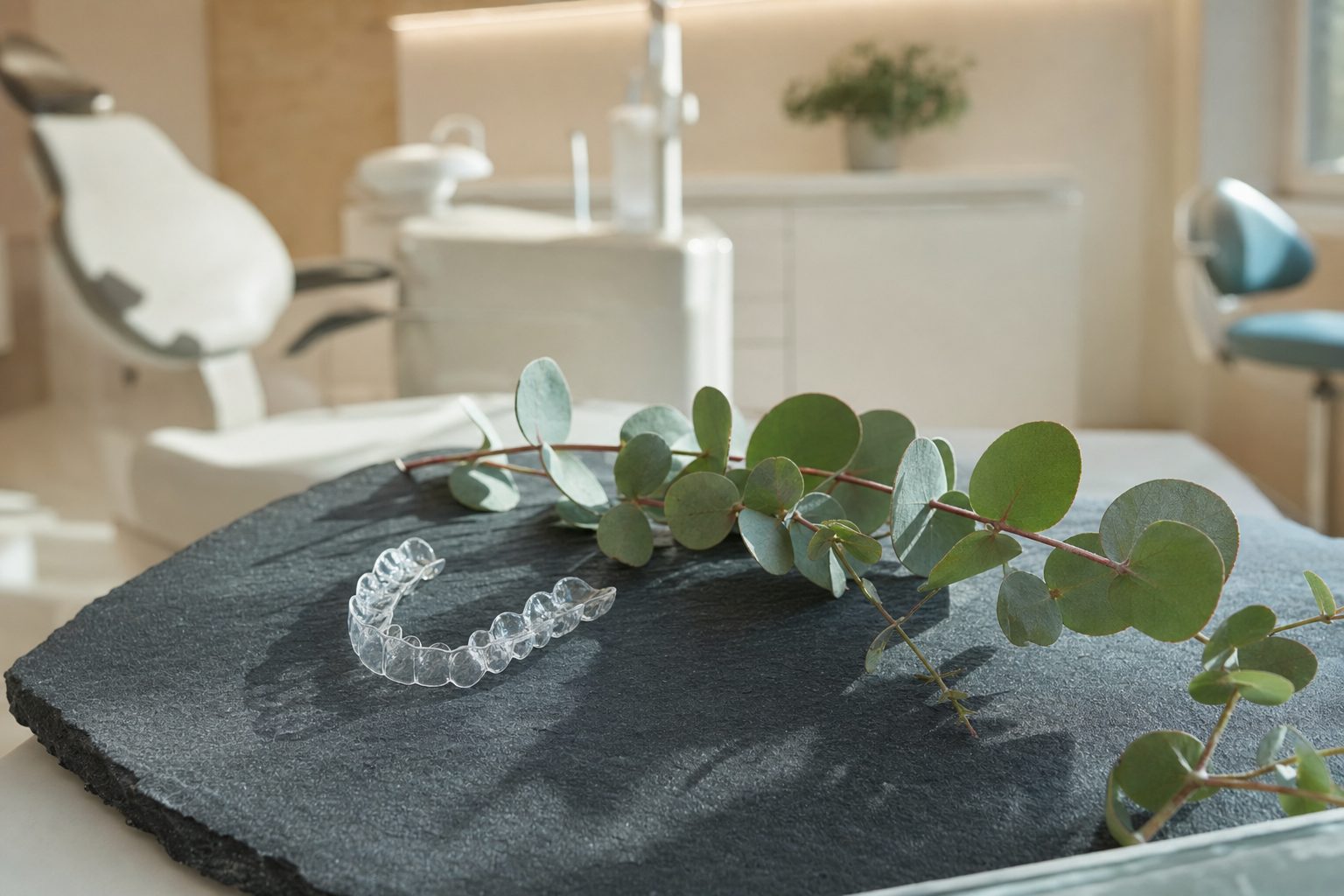
Straight teeth, but also a healthier bite.
Most adults who come in for Invisalign in Charlotte aren't just chasing straight teeth — they want their bite to stop hurting, their smile to look like it did at 22, or their dentition prepared for veneers or implants. Orthodontics, done thoughtfully, can quietly fix all of that. Done as a quick mail-order plan, it can also make new problems. We think the difference comes down to who is actually watching your case.
At District Dentistry, your aligner plan is designed and supervised by the same dentist who knows your enamel, your gums, your fillings, and your bite history. We adjust the plan as your teeth move — because real teeth never move exactly the way software predicts. We catch the small things: a tooth that's tipping instead of translating, a rotation that's stalling, a retainer that needs an early tweak.
For some patients we recommend Invisalign. For others, short-course traditional braces are faster and more predictable. A few cases need a partnered orthodontist, and we'll tell you that honestly. The goal is the result that fits your life — not the product that fits our marketing.
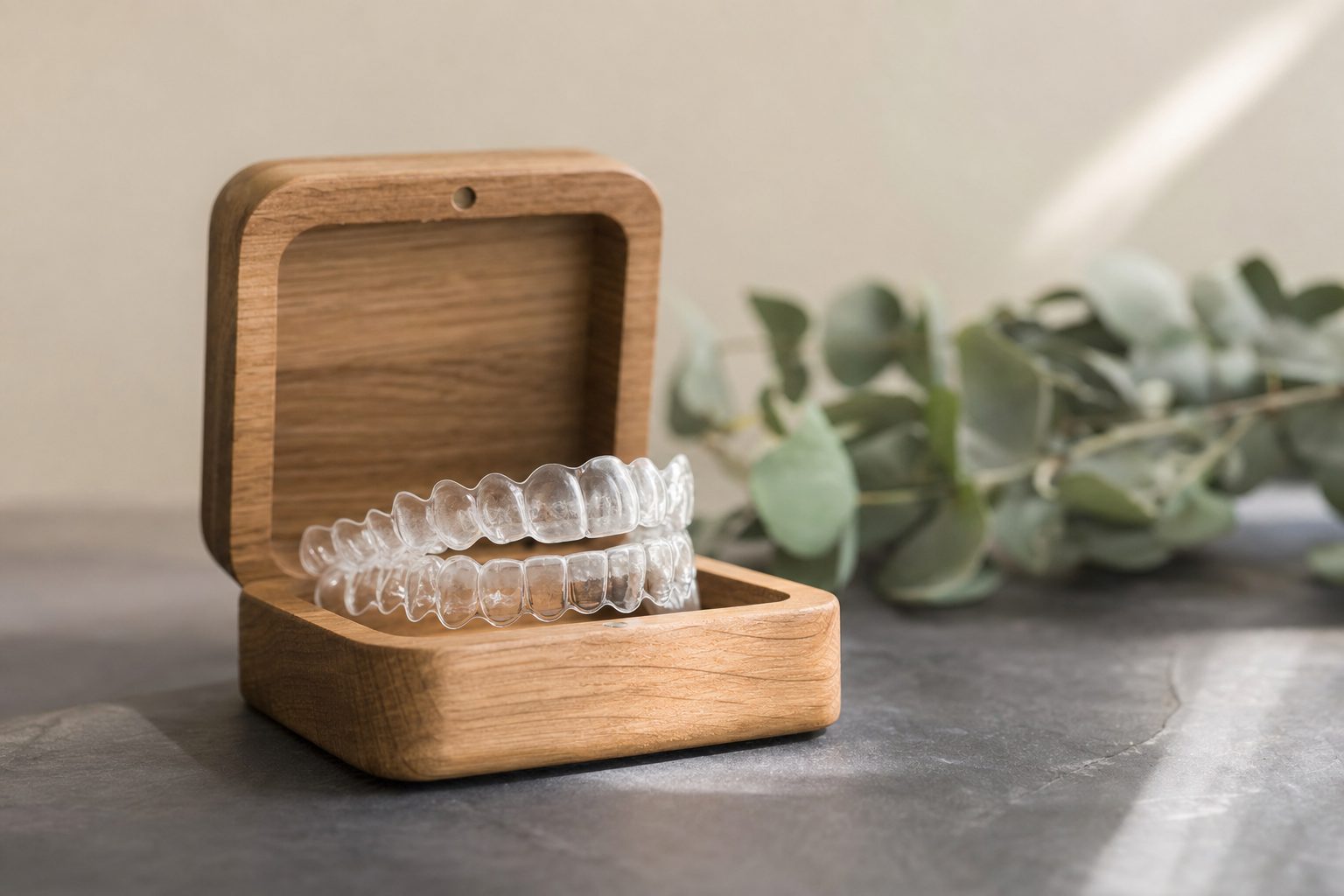
How an aligner case moves through our office.
Every Invisalign case follows the same five stages. We never skip steps to save a visit — the small checkpoints are what make the final bite stable.
Records and digital scan
We take photos, X-rays, and a 3D scan of your teeth (no goopy impressions). We screen for decay, gum issues, and bite imbalances that must be addressed before alignment starts.
Clincheck and case design
Your dentist designs the movement sequence tooth by tooth — not just the software's first guess. You'll see a 3D preview of your final smile before you commit, with a written estimate of trays, timeline, and total cost.
Bonding and first trays
We bond small tooth-colored attachments (if needed), polish, and deliver your first set of trays with detailed wear instructions and a digital tray-change reminder.
Check-ins every 6–10 weeks
Short progress visits to confirm tracking, refine where needed, and answer questions. If a tooth isn't moving as planned, we catch it early and re-plan rather than push more trays.
Refinement and retention
Most cases need a short refinement series at the end to finish the small details. You leave with custom retainers and a written long-term retention plan so your investment holds.
Invisalign vs. traditional braces — honest comparison
Both work. Invisalign is right for most adult cases. A subset of more complex tooth movements still go faster with brackets. Here's how we actually weigh it during your consultation.
| Consideration | Invisalign clear aligners | Traditional braces |
|---|---|---|
| Visibility | Nearly invisible in daily life and on video calls | Visible metal or ceramic on the front of teeth |
| Comfort | Smooth plastic; no wire pokes or emergency repairs | Initial soreness and occasional wire irritation |
| Eating | Removed for meals — eat normally, no food restrictions | Avoid sticky, hard, and chewy foods for full treatment |
| Cleaning | Remove to brush and floss — easy hygiene | Brushing around brackets and wires takes more effort |
| Best for | Most adult crowding, spacing, mild-to-moderate bites, post-ortho relapse | Complex rotations, severe crowding, large vertical movements, growing teens |
| Typical timeline | 6–18 months for most adult cases | 12–24 months for comparable cases |
| Patient effort | Trays must be worn 22 hours/day — discipline matters | Always on — no compliance needed beyond hygiene |
Why patients pick us for Invisalign.
We're not the cheapest Invisalign provider in Charlotte. We're the one that designs the case carefully, watches it closely, and finishes it correctly.
Your dentist designs the case
We don't outsource the planning to a remote tech. The dentist who knows your dental history reviews every tooth movement.
Honest about scope
If your case truly needs an orthodontist, we'll tell you. If braces would be faster, we'll explain why. No upsell pressure.
Refinement included
Most plans bundle a refinement series — so we can finish the last 5% properly without a surprise bill.
Long-term retention plan
Custom retainers and a written wear schedule. Without retention, teeth drift back — we make sure yours don't.
Invisalign questions, answered plainly.
These come up in nearly every Invisalign consultation in our Charlotte office.
How much does Invisalign cost in Charlotte?
Most adult cases at our Charlotte office fall between $4,500 and $6,800, depending on complexity, tray count, and whether refinement and retention are bundled. We give every patient a written, all-in price during the consultation — including retainers — so there are no surprises later. Cherry patient financing — pay over time — is available.
How long will my treatment take?
Six to eighteen months for most adult cases. Mild crowding can finish in six to nine months. Moderate cases run nine to fourteen months. Complex bites or post-relapse cases can run longer. Your written plan includes a realistic timeline before you commit.
Does Invisalign hurt?
Most patients describe each new tray as a tight pressure for the first 24 to 48 hours, then nothing. It is materially more comfortable than traditional braces. If you're sensitive, we can pre-stage trays at slower movement intervals.
Will Invisalign affect how I talk?
Slightly, for the first two to three days. Most patients fully adapt within a week. We don't recommend starting trays the week before a major presentation — wait until after.
What if my teeth shift back?
They will, without retention. That's why we build a custom retainer plan into every case. Most patients wear retainers at night indefinitely. Done correctly, your result holds for decades.
Can I do Invisalign if I have crowns, veneers, or implants?
Usually, yes. Existing restorations can sometimes need attachments placed differently, and a few teeth may be excluded from movement. We assess this carefully at the records visit and explain any limits before treatment starts.